
Your Vitamin D Levels in Your 30s and 40s Could Shape Your Brain Decades Later
A landmark 16-year study links midlife vitamin D to a key Alzheimer’s biomarker — and the findings have urgent implications for India.

Photo: Free to use via Pexels
Most of us think about dementia as something to worry about later in life — in our 60s, 70s, maybe 80s. But a landmark study published in April 2026 in Neurology Open Access is turning that assumption on its head. Researchers from the University of Galway found that your vitamin D levels right now — in your 30s and 40s — may already be influencing the health of your brain 16 years from now.
That’s a striking idea. And it’s one that health-conscious adults in midlife should take seriously.
avg. age 39
brain scans
at baseline
The Study: 793 People, 16 Years, and a Brain-Changing Finding
The research team followed 793 adults who were, on average, 39 years old and free of dementia at the start of the study. Researchers drew blood to measure each participant’s vitamin D levels — specifically, the standard 25-hydroxyvitamin D (25-OH D) test. Then, roughly 16 years later, participants underwent PET brain scans that measured levels of tau and amyloid beta — two proteins considered key biomarkers of Alzheimer’s disease.
The result? People who had higher vitamin D levels in midlife had significantly lower levels of tau protein in their brains years later. Notably, no significant link was found between vitamin D and amyloid beta — suggesting vitamin D’s protective influence may be specifically tied to how tau accumulates, rather than the full Alzheimer’s pathway.
Those with higher vitamin D in their 30s and 40s had measurably lower levels of a key Alzheimer’s marker 16 years later.
— Neurology Open Access, April 2026 · University of GalwayWhat Is Tau Protein — and Why Should You Care?
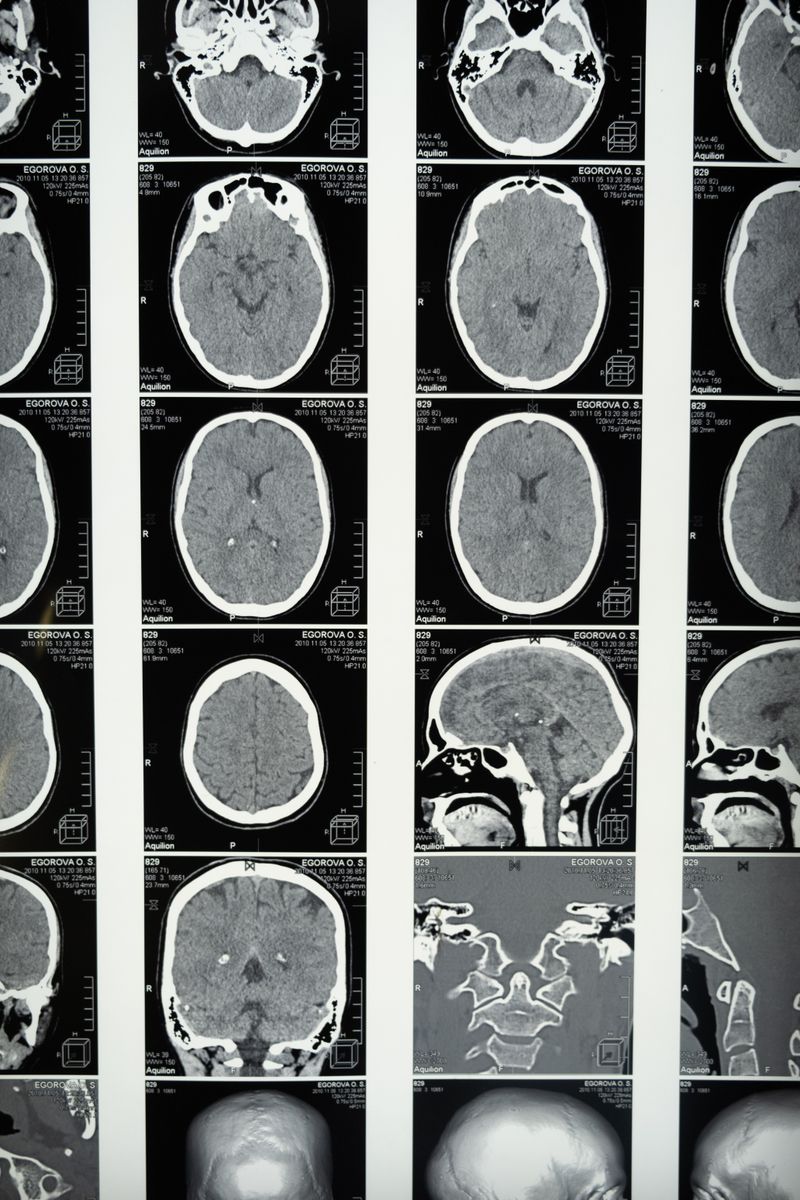
Photo: Free to use via Pexels
Tau is a protein that normally helps stabilize the internal structure of neurons — think of it like scaffolding that keeps brain cells upright and functional. In a healthy brain, it does its job quietly and without issue.
But in Alzheimer’s disease and other dementias, tau proteins become chemically altered and begin to clump together into what scientists call “neurofibrillary tangles.” These tangles disrupt communication between brain cells and eventually lead to cell death — causing the memory loss, confusion, and cognitive decline we associate with Alzheimer’s.
India’s Sunshine Paradox: A Warning Hidden in Plain Sight
India’s Sunshine Paradox
on average ☀️
lack vitamin D 😔
Despite being one of the sunniest countries on Earth, India has among the world’s highest rates of vitamin D deficiency. Indoor lifestyles, higher melanin, clothing coverage, air pollution, and low dietary intake all drastically reduce vitamin D synthesis — making this a silent epidemic hiding in plain sunlight.
Here’s a fact that should give every Indian pause: India gets roughly 300 sunny days a year. And yet, research consistently shows that 70–90% of Indians are vitamin D deficient.
This is what researchers call the “sunshine paradox.” Despite living in one of the sunniest places on earth, most Indians don’t convert enough sunlight into vitamin D. The reasons are layered: higher melanin in darker skin requires longer sun exposure for equivalent vitamin D synthesis; air pollution in cities scatters beneficial UV-B rays; indoor office work keeps people out of peak-sun hours; traditional clothing covers most of the body; and the average Indian diet is largely low in vitamin D-rich foods like fatty fish, egg yolks, and fortified dairy.
If only 34% of participants in an international study had low vitamin D — and that already raised alarm — what does it mean for brain health that 70–90% of Indians fall into that deficient category? Given this new research, the implications deserve serious public health attention.
What You Can Do Right Now (Especially If You’re 30–50)

Photo: Free to use via Pexels
-
1Get your vitamin D levels tested Ask your doctor for a 25-hydroxyvitamin D blood test at your next checkup. It’s simple, affordable, and widely available — including across India.
-
2Know your target: aim for above 30 ng/mL That was the threshold used in the study. Most health guidelines suggest 20–50 ng/mL as optimal, though your doctor can advise based on your age and health profile.
-
3Don’t rely on sunlight alone — especially in India Melanin, pollution, indoor work, and clothing reduce synthesis dramatically. Fatty fish, egg yolks, fortified milk, and supplementation (with guidance) may all be necessary.
-
4Don’t over-supplement without monitoring Vitamin D is fat-soluble and can accumulate to toxic levels over time. Always work with a healthcare provider to find the right dose — and retest every 3–6 months if supplementing.
Important Context: A Signal, Not a Prescription
It’s important to be clear about what this study does and doesn’t show. The findings reveal a correlation between midlife vitamin D levels and later tau protein accumulation — they don’t prove that vitamin D directly prevents Alzheimer’s or that supplementation will protect your brain.
Key limitations to note: vitamin D levels were measured only once per participant, which may not reflect long-term patterns. And while the study controlled for factors like age, sex, and depression symptoms, many other lifestyle and genetic variables could influence both vitamin D and brain health outcomes.
The Bigger Picture: Midlife Choices, Decades of Impact
This study fits into a growing body of evidence that the lifestyle choices we make in midlife — what we eat, how we move, how well we sleep, which micronutrients we maintain — have cascading effects on how our brains age.
You can’t control your genetics. But you can control your vitamin D levels. And if the science continues to bear out, that might be one of the most meaningful investments you make in your 30s and 40s — not just for your body, but for the brain you’ll be living with decades from now.